

8mm frosted glass price
The Importance of High-Quality Spirit Levels in Construction and DIY Projects When it comes to achieving precision in construction and DIY projects, one tool stands out as a fundamental asset the spirit level. Often overlooked, the spirit level is essential for ensuring that surfaces are perfectly horizontal or vertical. However, not all spirit levels are created equal. High-quality spirit levels offer a range of advantages that make them indispensable for professionals and hobbyists alike. Precision and Accuracy At the core of any high-quality spirit level is its ability to provide accurate measurements. Precision is critical in construction, as even a slight deviation can lead to structural issues, aesthetic problems, or safety hazards. High-quality spirit levels are meticulously manufactured to ensure that the vials are properly calibrated, which means they can be relied upon for accurate readings. These levels frequently feature high-grade materials, ensuring that the vial liquid remains stable and does not evaporate or cloud over time. Durability and Longevity A high-quality spirit level is built to withstand the rigors of a variety of environments. Professional contractors often work in challenging conditions, including exposure to moisture, heat, and rough handling. A robust spirit level constructed from durable materials, such as machined aluminum or reinforced plastic, can endure these conditions without compromising its accuracy. A long-lasting spirit level not only saves money in the long run by reducing the need for replacements but also ensures that your measurements remain reliable over time. Enhanced Visibility high quality spirit levels Another notable feature of high-quality spirit levels is the enhanced visibility of the vials. Many manufacturers incorporate bright, easy-to-read liquid-filled vials that improve visibility under various lighting conditions. This attribute is particularly important when working outdoors or in dimly lit spaces. Some models also include backlighting or luminescent features for even greater visibility, allowing users to work efficiently without straining their eyes. User-Friendly Design High-quality spirit levels often come with additional design features that enhance user experience. These may include ergonomic grips for comfortable handling, magnetic strips for hands-free use on metal surfaces, and built-in measuring tools. Such thoughtful design elements make it easier for users to achieve precise measurements without unnecessary strain or difficulty. A user-friendly spirit level can make the difference between an arduous task and a smooth, enjoyable project. Versatility The versatility of high-quality spirit levels is another reason they are so essential. Available in a range of sizes and styles, from traditional long spirit levels to compact electronic models, high-quality spirit levels can be effectively used in various applications. Whether you're hanging shelves, installing cabinets, or constructing a deck, having the right spirit level for the job can significantly enhance the quality of your work. Conclusion Investing in a high-quality spirit level is a wise decision for anyone involved in construction or DIY projects. The precision, durability, visibility, and user-friendly design offered by high-quality models ensure that you can achieve the best results in your work. As any experienced tradesperson will tell you, having the right tools can make all the difference in obtaining professional-grade results. Whether you are a seasoned contractor or a weekend warrior, a reliable spirit level is an investment that pays dividends in the form of accuracy and quality in every project. Don't underestimate the power of this simple yet vital tool; it is an integral part of building a solid foundation—literally and figuratively.
about
8mm frosted glass price
Replacing a Water Valve A Step-by-Step Guide Replacing a water valve can be a straightforward task if approached with the right tools and knowledge. Water valves are essential components of your plumbing system, controlling water flow to various fixtures such as sinks, toilets, and washing machines. Whether you’ve encountered a leak, need to upgrade to a more efficient valve, or are preparing for renovations, knowing how to replace a water valve is an invaluable skill for homeowners. Tools and Materials Required Before you begin, ensure you have the necessary tools and materials 1. Tools - Adjustable wrench - Pipe wrench - Screwdriver - Utility knife - Plumber's tape - Bucket - Towels or rags 2. Materials - New water valve (ensure it's the correct size and type) - Replacement washers (if applicable) - Pipe joint compound (optional) Step 1 Turn Off the Water Supply The first and most crucial step is to turn off the water supply to the valve you are replacing. Locate the main shut-off valve for your home and turn it off. If you’re replacing a specific fixture valve, look for the local shut-off valve beneath the sink or behind the toilet. Open a nearby faucet to allow any remaining water in the pipes to drain, minimizing spills during the replacement. Step 2 Drain and Remove the Old Valve replacing water valve Place a bucket under the valve to catch any residual water. Using the adjustable wrench, loosen the nuts securing the old valve to the pipes. If the valve has been in place for a long time, it may require extra force. Gently twist and pull to remove it once the nuts are loosened. If you encounter stubborn connections, avoid excessive force that could damage the pipes. Step 3 Prepare for Installation Before installing the new valve, inspect the pipe ends for any damage or wear. Use a utility knife to clean any rough edges. If you’re working with threaded pipes, wrap plumber's tape around the threads of the pipe to ensure a tight seal when you install the new valve. Step 4 Install the New Valve Position the new valve in place and hand-tighten the nuts. Use the adjustable wrench for a snug fit, but avoid overtightening, as this can damage the valve or pipes. Ensure it's installed in the correct direction, with the flow arrow on the valve indicating the direction of water flow. Step 5 Restore Water Supply and Check for Leaks After securing the new valve, turn the main water supply back on. Close any faucets you opened earlier and check for leaks around the new installation. If you notice any dripping, tighten the connections slightly until the leaks stop. Conclusion Replacing a water valve can be completed in a few simple steps and can save you from potential plumbing disasters in the future. Regular maintenance and timely replacements are key to a healthy plumbing system. Remember to follow local codes and consult professionals when in doubt. With practice, you can become adept at tackling similar home repair tasks, ensuring the longevity and efficiency of your plumbing system.
-

High quality industrial productsagement

High quality industrial products
View Details -

Meet the diverse needs of customers

Meet the diverse needs of customers
View Details -

Strict quality control

Strict quality control
View Details -

Top raw materials

Top raw materials
View Details -

Trusted supplier

Trusted supplier
View Details
Our application


news and information

Y-Shaped Strainer for Efficient Liquid Filtration Solutions
y shaped strainer .
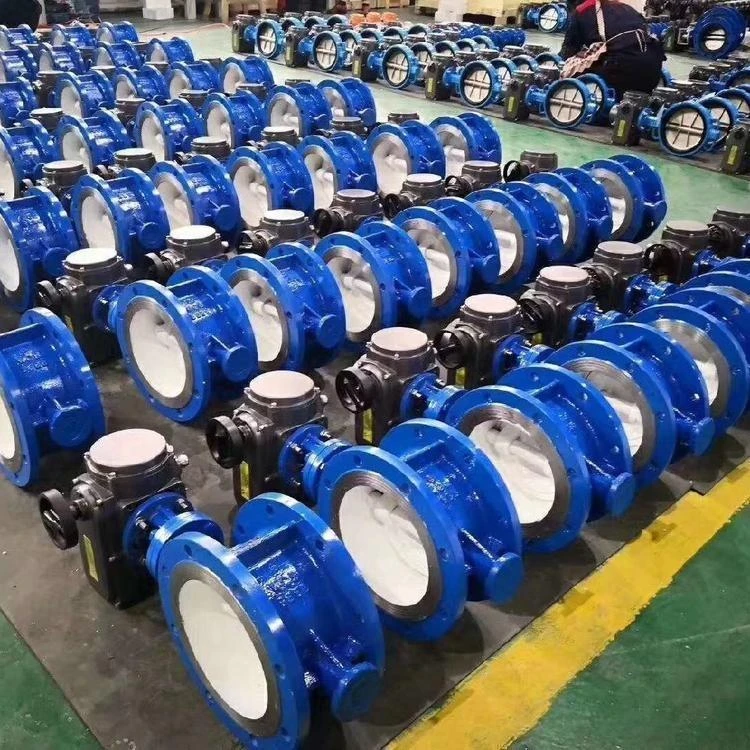
water valve main
Understanding Water Valve Main Key Components and Importance Water valves are critical components in

Y Type Strainer Filters for Efficient Fluid Filtration Solutions
Understanding Y-Type Strainer Filters A Comprehensive Overview In various industrial applications, e
 English